We’re Offering Free A1C Testing to All Blood Donors This March
Written by Lucy Weber, Red Cross Volunteer
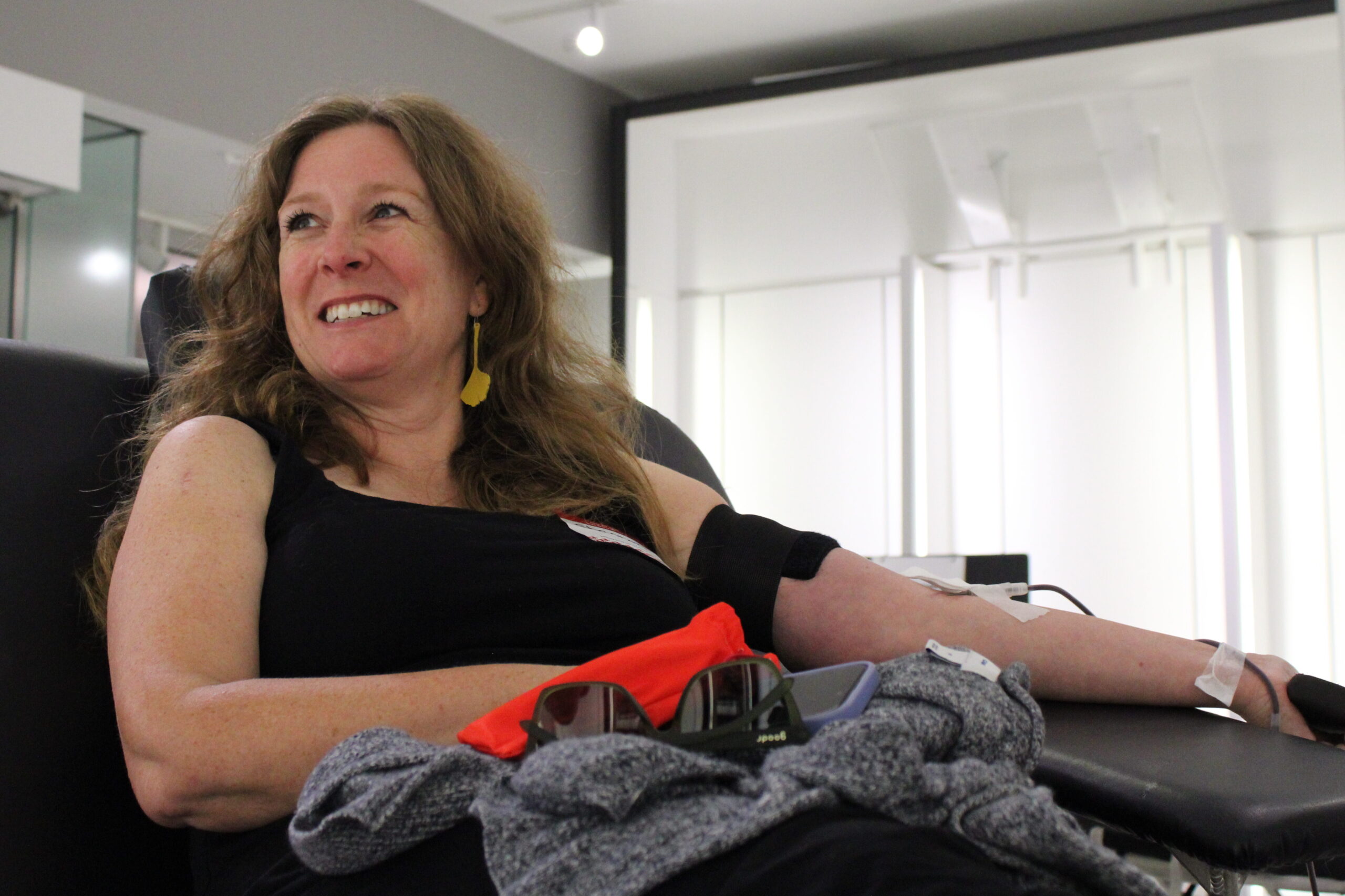
March is Red Cross Month, a time to celebrate the generosity of blood donors who help save lives every day.
This year, we’re showing our appreciation by offering something in return: free A1C testing for anyone who makes a successful blood donation during March.
What is an A1C Test?
The A1C test is a common tool used to detect prediabetes and diabetes. It measures how muchsugar is attached to your hemoglobin—the protein in the red blood cells that carries oxygen throughout your body.
Because red blood cells typically live for about three months, the A1C test reflects your average blood sugar levels during that time.

Your A1C levels will fall into one of three categories:
- Normal: A1C level is less than 5.7%
- Prediabetes: A1C level ranges from 5.7% to 6.4%
- Diabetes: A1C level is 6.5% or higher
You can view your results within one to two weeks through the Red Cross Blood Donor App or the donor portal at RedCrossBlood.org.
If your levels indicate a prediabetic or diabetic blood sugar range, we strongly encourage you to schedule a follow-up with your primary care provider.
How Common are Prediabetes and Diabetes?
Many people living with diabetes or prediabetes don’t realize they have it. The numbers are staggering:
- Prediabetes affects 115.2 million Americans, or more than 2 in 5 people. Of that number, 8 in 10 people don’t know they have it.
- About 29.1 million U.S. adults have been diagnosed with diabetes in the United States. An estimated 27% of U.S. adults have undiagnosed diabetes.
- According to Red Cross data from March 2025, 1 in 5 U.S. blood donors showed elevated A1C levels.
Because people with prediabetes don’t always display symptoms, monitoring your blood sugar with options like the A1C test is crucial in identifying the condition early, and taking steps to reverse it when possible. Seemingly healthy donors were surprised to hear of higher A1C levels but relieved it was caught early.
For example, Ben, a blood donor from Vermont, rolled up his sleeve to donate blood last August, and he received an unexpected message from a medical director of the American Red Cross alerting him that he had elevated A1C levels. These unexpected results empowered Ben to seek help from his doctor to better understand his own health.
“Thanks to this result, I contacted my doctor and am undergoing additional tests. I’m grateful to you all for providing an affordable service and for ─ in practical terms ─ probably adding years to my life by helping me get a diagnosis months or even years earlier than I would have otherwise,” Ben shared.
Understanding Diabetes and Prediabetes
Diabetes affects how your body balances blood sugar. Without the condition, your pancreas produces insulin, a hormone that regulates blood sugar, and your body uses it as fuel to keep you energized. When the pancreas can’t produce enough insulin, or when the body becomes insulin-resistant, blood sugar levels rise. There are two primary forms of diabetes:

- Type 1 diabetes: where the immune system attacks insulin-producing cells in the pancreas.
- Type 2 diabetes: where the body becomes insulin-resistant or cannot produce enough insulin.
If your blood sugar levels are high but not high enough for a diabetes diagnosis, you’re considered prediabetic. While, there is no cure for diabetes, some patients can reverse prediabetes through lifestyle changes like an improved diet and increased physical activity. Spotting prediabetes early enough to alter its course is one of the biggest perks of A1C testing.
The Impact of Diabetes
The impact of uncontrolled diabetes is wide-ranging. Initial symptoms may include fatigue, increased thirst, blurred vision and frequent urination. Some people will not experience any symptoms. Over time, untreated diabetes can increase your risk of other conditions, including:
- Vision and hearing problems
- Nerve damage
- Heart disease
- Stroke
- Kidney disease
- Infections
- Slow wound healing
A1C testing helps you catch prediabetes or diabetes early, allowing you to make changes, seek treatment, and limit its effect on your life.
The Double-Benefit of Donating Blood for A1C Testing
Many people think of blood donation as a one-sided act of generosity, but the impact goes both ways. When you donate blood in March, you set the stage for early prediabetes or diabetes diagnosis. Not only does that early diagnosis help prevent complications like kidney disease or vision problems, but it benefits you financially.
You can donate blood at your local Red Cross donation center, get a free A1C test, and help save a life this March. Schedule your donation at RedCrossBlood.org.