Behind the Scenes at the American Red Cross: The Professionals Who Keep Blood Moving
Written by Katherine Liu, Red Cross Volunteer
What happens to your blood after you donate with the Red Cross? One of the most important factors in the journey from donation to patient is the hard work of lab technicians. With national blood collectors week approaching quickly, we want to highlight these heroes behind the scenes.
Donation Shipping
Blood collected from all across the region arrives at the lab packed in special transport boxes. These containers are designed to withstand long distances traveled by trucks and planes. Red blood cells (which are around 45% of the total blood donation’s volume) may be packed together because they are transported on ice. Platelets, on the other hand, cannot be preserved by ice, and have a maximum transport time of only 24 hours. Each box is sorted and triaged by technicians based on its contents, a process that requires the heavy lifting of over 45 pounds per box.
Blood Testing
While blood must be tested before it is administered to a patient, the testing is not always done at the processing facility. Samples are sent to testing locations across the United States, where they are analyzed by laboratory technicians to ensure that the blood is safe, compatible, and free from infectious diseases.
Sometimes, these labs also screen for additional donor diseases such as diabetes. Through community initiatives, the American Red Cross has offered free screening events, using their testing capabilities to spread access to important health information.
The Science of Separation
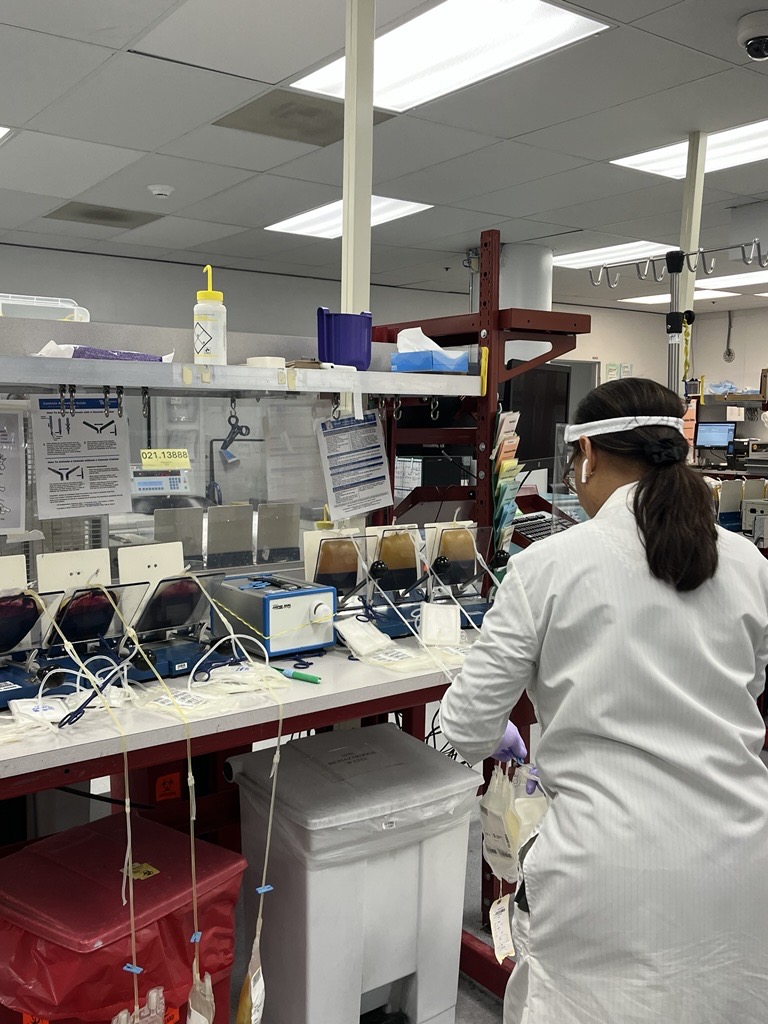
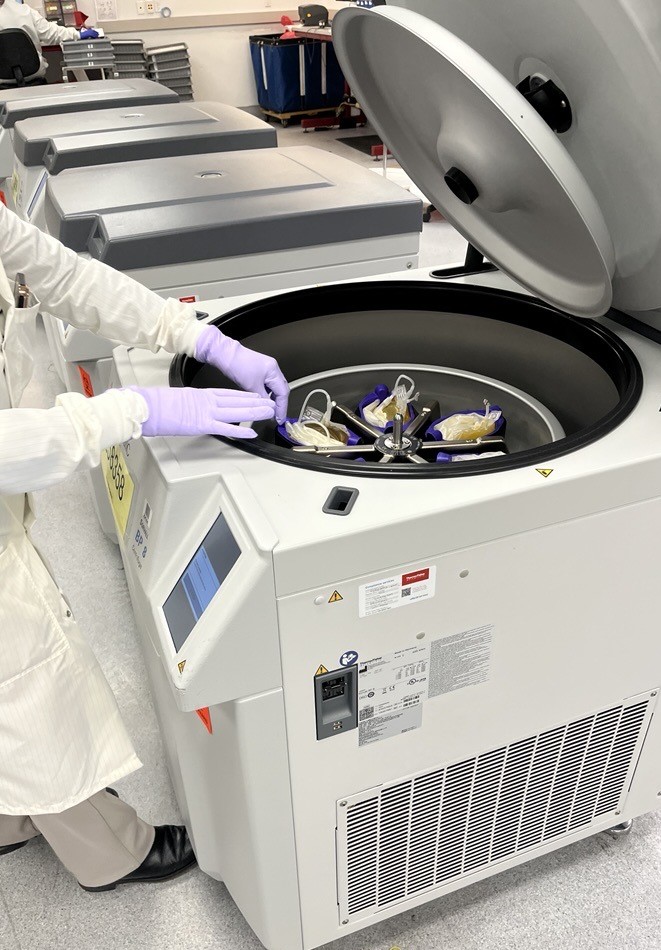
Inside the lab, whole blood is transformed. Centrifuges that spin at thousands of revolutions per minute separate blood into 3 components: red blood cells, plasma, and platelets. Each component serves a different purpose in patient care. After centrifuging, lab technicians must extract each layer. Plasma can be frozen for later use or processed into cryoprecipitate, which contains clotting factors that are essential for surgical procedures and patients with bleeding disorders. Red blood cells are filtered and preserved, extending their shelf life to a maximum of 42 days under controlled conditions.Every step of blood processing is methodical, precise, and repeated hundreds of times each shift. Quality control is critical, and technicians are instructed to check and validate their work to ensure every unit is safe.
What is the Job of Blood Processing Like?
Manufacturing technicians in the lab regularly rotate jobs in blood processing. This variation helps reduce physical strain and keeps the work engaging. We spoke with technician Nancy, who has worked at the facility for 23 years. She processes hundreds of units of blood in a single shift, and describes her job as both demanding and deeply rewarding. Nancy’s favorite aspect of blood processing is the “expressing” step, in which blood is separated into its components, a task that requires both skill and consistency. She emphasizes the importance of teamwork in the lab, especially in the cryoprecipitate preparation process. “It kind of depends on the team,” she says. “Everybody’s different, some are speedy, and some are slow. [The process] has to work for you, but it also has to work for other people.”
The Future of Innovation in the Lab
In the 85 years that the American Red Cross has been collecting blood donations, there have been many innovations. One recent example includes cold-stored platelets, which are being explored in the United States after their use in Europe. While they are not suitable for every patient, this process can extend platelet lifespan in certain medical situations.
Meanwhile, the lab is also exploring automation with the potential use of a robotic arm to sort and move incoming shipments, which is expected to decrease technician workloads of moving heavy boxes. Did you know that over 30,000 blood donations are needed per day in the United States? By becoming a Red Cross donor, your impact goes a long way. Visit RedCrossBlood.Org.