This is only a drill. Red Cross volunteers take part in no-notice simulations to prepare for disaster.
By Rebecca Marshall
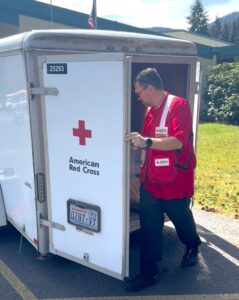
The call came early Friday morning, April 10th. A major flood has hit SW Washington and American Red Cross staff and volunteers have been called into action.
They get busy, establishing a leadership table of organization, deploying volunteers to a shelter at the Mill A school in Skamania County, and towing a shelter trailer with cots and other supplies to that location. Once there, they set up their registration area and get ready for evacuees to arrive.
Of course, no one will come…this time. That’s because there is no major flood. This is all part of a training program at the Red Cross known as “The Thunderbolts.”
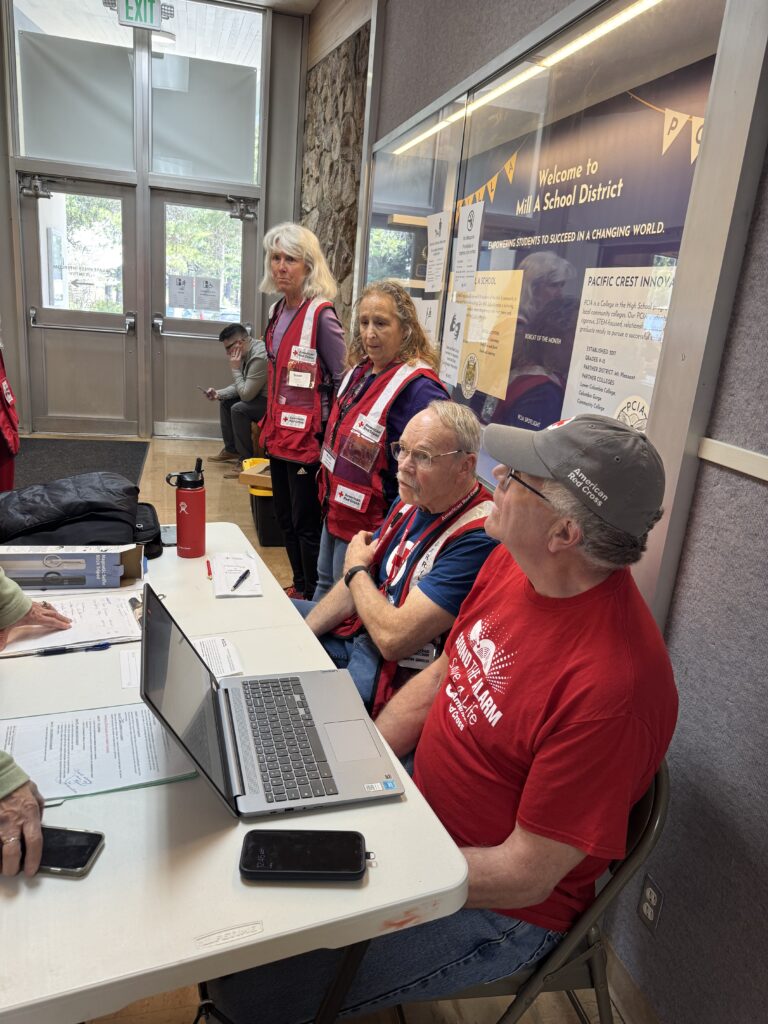
Thunderbolt exercises are rapid response drills designed to test disaster responders’ speed, skills, and ability to mobilize during simulated emergencies. Regions across the country are performing these ahead of what’s commonly known as disaster season. That’s when wildfires and hurricanes are prevalent across the country.
We’ve seen twice as many major disasters in the country as we did a decade ago. They are becoming larger, and more frequent, requiring more people to answer the call and support their communities.
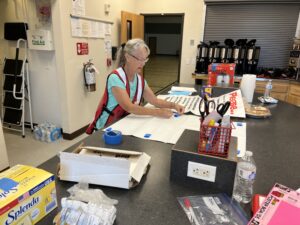
Volunteers in the Columbia River Gorge know that wildfires are a real possibility each and every summer. Sometimes, it even happens in their own backyard. That was the case for Joyce Ebbert. She lives in White Salmon, Washington, where just last summer, the Burdoin Fire burned dangerously close to homes.
“I believe we are going to have a need for shelters this summer because of high fire danger and it’s important to get it right, says Ebert. “This is a good exercise to show us what we need to learn and where we can improve.”
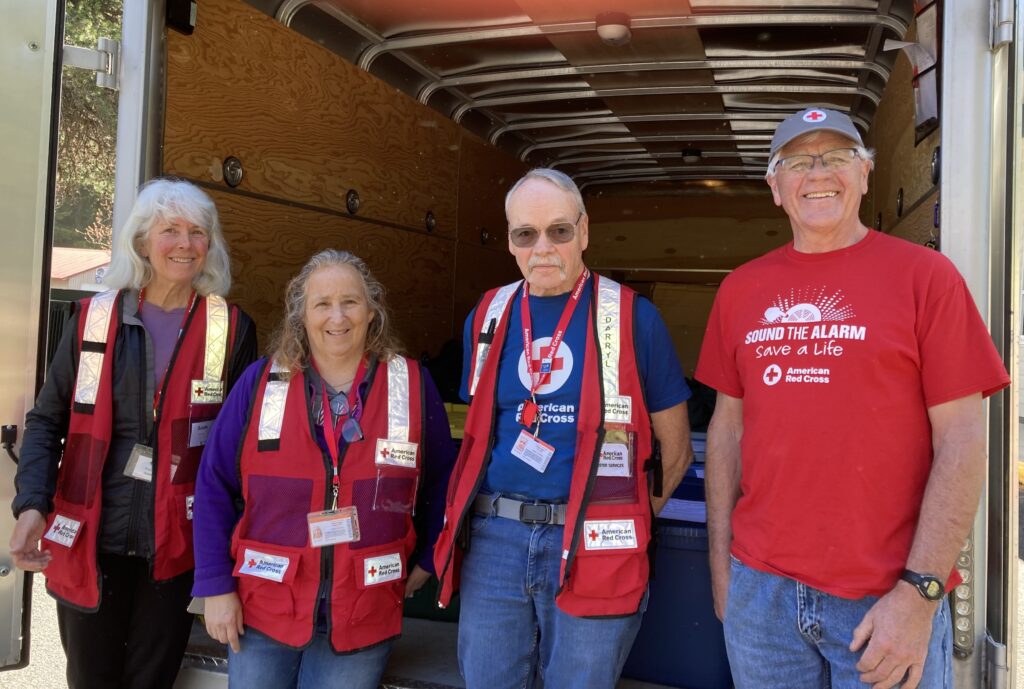
Tony Ackerman is a volunteer who’s in charge of driving the trailer full of cots and other supplies, to shelter locations. He’ll also help inside the shelter once he arrives. He started with the organization two years ago. Since then, he has supported wildfires locally as well as deployed to disasters in other parts of the country.
“We are going to have an active fire season this year, and I want to do all I can to help people in the neighborhood. It’s a rewarding thing to do,” he says.
By mimicking the pressures of a real disaster, volunteers can strengthen their capability to respond effectively during a real crisis. Bottom line, when we are not responding, we’re training. If this sounds lie something for you, sign up to volunteer now at RedCross.org/volunteer and start training.